By KitchenRush Editorial
Last updated: June 26, 2026
Restaurants should use QR codes to create repeat visits by linking each scan to a clear next action: direct order, loyalty signup, review, offer save, feedback, or event inquiry. A scan is not the win by itself. The win is the return path that lets the restaurant recognize intent, follow up, and give the guest a reason to come back.
That distinction matters because QR codes have moved from pandemic workaround to everyday restaurant infrastructure. They sit on tables, receipts, delivery packaging, counter cards, and social posts. The challenge is no longer whether guests understand how to scan. The challenge is whether the scan creates value for the restaurant.
Modern Restaurant Management recently framed smart packaging as a way for restaurant owners to "unbox customer data," connecting physical touchpoints to better digital follow-up. Its 2026 smart-packaging article points to the broader opportunity: restaurants can turn ordinary guest moments into measurable signals when the path is intentional.
What should a restaurant QR code do?
Every QR code should answer one business question before it is printed: what should happen after the guest scans?
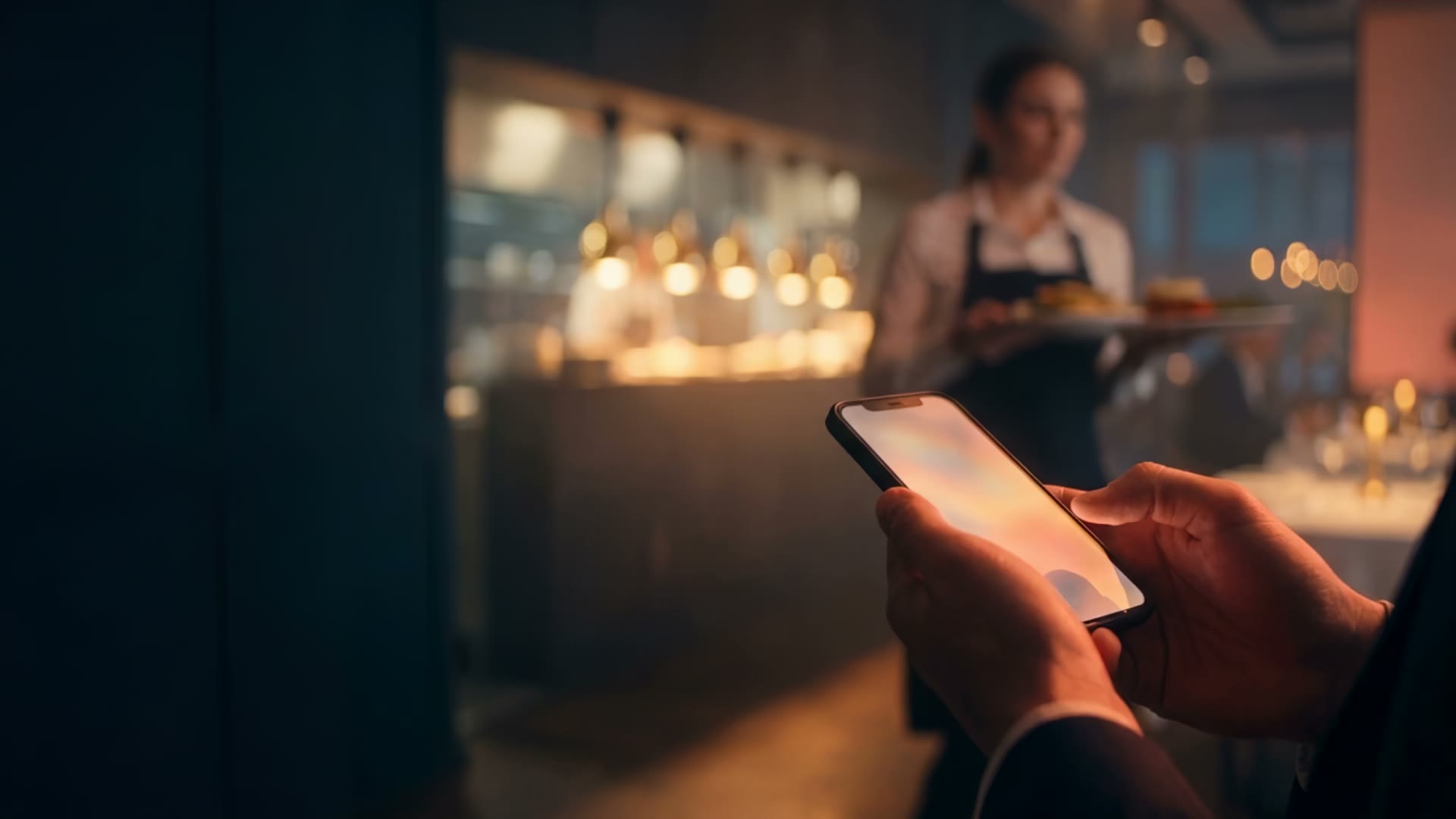
If the answer is only "show the menu," the restaurant may be missing the better use case. A table QR code can still show the menu, but it can also guide guests toward a loyalty signup, a direct order path, a review prompt after checkout, a catering inquiry, an event reservation, or a feedback form. The moment matters. A dine-in table, takeout bag, receipt, and sidewalk sign should not all point to the same generic destination.
QR codes work best when the restaurant starts with intent. A dine-in table scan may support ordering, add-ons, and loyalty. A receipt scan may ask for a review or invite a return offer. A delivery insert may push the guest toward direct ordering next time. A catering flyer may route to an inquiry form. One square can do many jobs, but each placement should have one primary job.
Why are scan counts not enough?
Scan counts feel useful because they are visible. They are also incomplete. A restaurant can get hundreds of scans and still learn very little if those scans do not connect to orders, reviews, signups, feedback, or return visits.
The better measurement sequence is simple: scan, action, repeat. Did the guest order? Did they save an offer? Did they join a list? Did they leave a review? Did they ask a question? Did they return through an owned channel? Those are the signals an owner can act on.
FSR has covered how restaurants continue adjusting to the long-running shift toward delivery, takeout, and off-premises behavior. That off-premises shift is relevant to QR strategy because guest relationships now start and restart in more places than the dining room. A QR code can connect those scattered touchpoints, but only if it leads somewhere measurable.
How can QR codes support loyalty without feeling pushy?
The best QR loyalty paths feel useful before they feel promotional. A guest should understand the benefit quickly: save this offer, reorder faster, get a birthday reward, receive neighborhood updates, earn points, or tell the restaurant how the visit went.
Independent restaurants do not need complicated loyalty mechanics to start. They need a clean promise and a clean follow-up path. For example: "Join for early access to weekly specials" can work when the specials are real and timely. "Scan to save your next pickup offer" can work when the offer is easy to redeem. "Tell us how tonight went" can work when the owner actually reads and responds.
The QR code should reduce friction, not add another disconnected step.
What makes QR marketing operationally useful?
QR marketing becomes useful when it feeds the same operating loop as the restaurant's other demand channels. The scan should not live in a forgotten analytics dashboard. It should inform the next offer, review request, profile update, social post, or direct-order push.
That is especially important for independent operators because they do not have extra time to reconcile every channel manually. A guest might discover the restaurant through Instagram, scan at the table, order direct next week, leave a review, and ask a catering question a month later. If those actions do not connect, the restaurant loses context.
Where KitchenRush fits
KitchenRush helps restaurants turn QR moments into guest relationships. It connects offers, local search, social publishing, direct actions, review awareness, and follow-up in one workflow so a scan does not become an isolated click.
The owner still decides what matters: more direct orders, more repeat visits, better reviews, more weekday traffic, or more event inquiries. KitchenRush helps turn that decision into a connected path guests can actually follow.
QR return-path checklist
| Placement | Best primary action | What to measure |
|---|---|---|
| Table card | Menu, add-on, loyalty | Scan to order or signup |
| Receipt | Review or return offer | Review rate and repeat redemption |
| Takeout bag | Direct reorder | Scan to direct order |
| Local flyer | Event or catering inquiry | Form starts and booked leads |
| Social post | Saved offer or order link | Clicks, orders, and repeat actions |
CTA
KitchenRush helps independent restaurant owners connect QR codes to loyalty, reviews, offers, direct ordering, and guest follow-up so scans become return paths instead of one-time clicks.
FAQs
Are QR codes still useful for restaurants?
Yes, QR codes are useful when they connect to a clear guest action. They are less useful when they only send people to a static menu with no follow-up path.
What should a restaurant QR code link to?
A restaurant QR code can link to a menu, offer, direct order page, loyalty signup, review prompt, event inquiry, or feedback form. The best destination depends on the moment and the business goal.
How do QR codes help with repeat visits?
QR codes help repeat visits when the scan captures intent and gives the guest a reason to return, such as joining loyalty, saving an offer, ordering direct, or receiving a timely follow-up.
How does KitchenRush support QR marketing?
KitchenRush helps restaurants connect QR touchpoints with offers, direct actions, reviews, loyalty, and follow-up so scans become measurable guest relationships instead of isolated clicks.
Visual version