Restaurant Promotions Should Fit the Shift
Restaurant promotions are usually judged by the demand they create. Did orders go up? Did the post get reach? Did the offer bring people in? Those questions matter, but they are not enough for an independent operator.
The better question is: can the shift absorb the demand without hurting service?
In 2026, that question is more important because the restaurant margin for chaos is smaller. The National Restaurant Association's 2026 State of the Restaurant Industry research points to continued hiring plans and continued difficulty filling experienced roles. TouchBistro's 2026 restaurant research also highlights rising labor costs as a major operating pressure. At the same time, many independent restaurants have reached a price-hike ceiling, a concern covered in Axios coverage of the James Beard Foundation's 2026 independent restaurant findings.
That means owners cannot solve every slow window with a blunt discount or every margin problem with another menu price increase. They need promotions that are operationally honest. The offer should fit the staff, the prep, the kitchen line, the pickup shelf, the phone, and the dining room.
The hidden cost of a busy offer
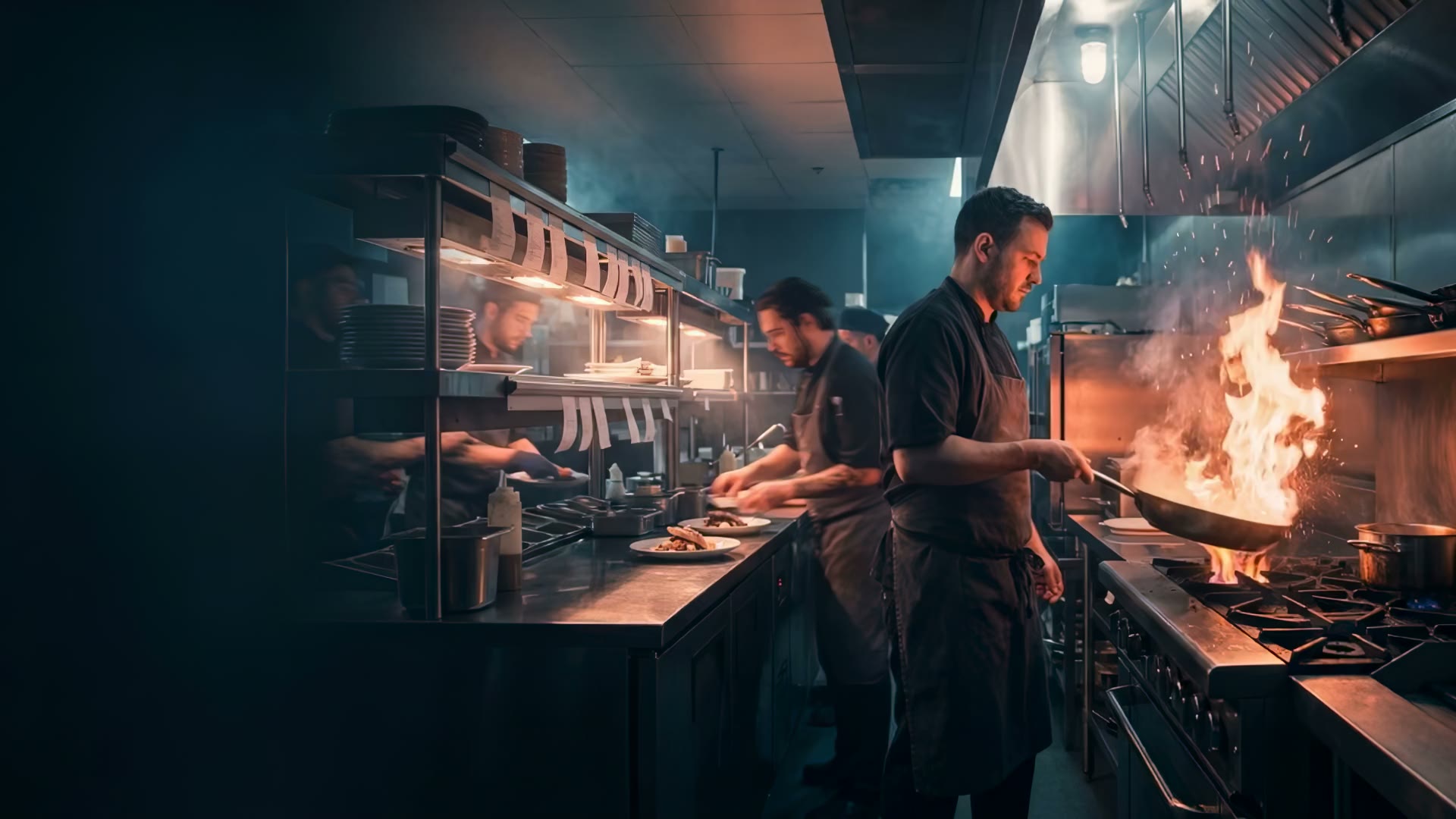
A promotion creates more than orders. It creates questions, substitutions, phone calls, comments, reviews, delivery handoffs, timing pressure, and guest expectations. If the restaurant is staffed for a normal Tuesday and the offer behaves like a Friday rush, the extra revenue can turn into slower service, more mistakes, lower tips, stressed managers, and poor reviews.
The promotion was supposed to help the business. Instead, it made the shift harder.
This is why the strongest independent restaurant marketing is not just creative. It is operational. It understands which items travel well, which items are fast to execute, which items protect margin, and which windows have enough capacity to handle more demand.
Match the offer to the shift
The first move is to stop planning offers in isolation. A good promotion starts with the daypart.
Ask:
- What does the team look like during this window?
- Which station has capacity?
- Which menu items can be repeated without slowing the line?
- Which order types are easiest to handle: dine-in, pickup, catering, delivery, or preorder?
- What kind of guest behavior do we actually want to create?
A lunch offer for office workers should not behave like a family dinner bundle. A rainy-night pickup push should not demand complex modifications. A late-afternoon snack post should not create a full-service bottleneck. The offer has to match the reality of the shift.
That does not make the marketing less ambitious. It makes it more precise.
Promote the items that protect service
Every restaurant has items that are beautiful but operationally fragile. They may require special handling, long fire times, scarce prep, or a station that is already tight. Those items can still be marketed, but they are not always the right choice for a broad same-day push.
For staff-light windows, build promotions around items with three traits:
- They hold margin.
- They are easy to repeat.
- They create a clear guest reason to act now.
That might be a pickup-only feature, a limited daypart bundle, a preorder path, a high-margin add-on, or a simple item with strong photos and low execution risk. The restaurant is not hiding its best food. It is choosing the right promise for the current shift.
Connect promotion, ordering, and follow-up
The operational problem gets worse when the marketing stack is scattered. One system posts to social. Another handles online ordering. Another stores reviews. Another manages Google updates. Another inbox gets questions. The owner has to remember what went out, what it promised, where the link points, and how the team should respond.
That is where mistakes happen. The post says one thing. The menu says another. The staff does not know the offer. The guest clicks into the wrong path. The shift gets dragged into confusion.
A service-safe promotion needs one connected plan:
- The post should match the offer.
- The ordering path should match the post.
- The team should know what is being pushed.
- The follow-up should capture reviews, repeat orders, or future interest.
- The owner should be able to see what worked without digging through five tools.
How KitchenRush helps
KitchenRush helps independent restaurants plan marketing around the work of the restaurant, not just the appearance of activity. The platform brings social publishing, local updates, direct paths, review follow-up, and guest communication into one operating view.
That matters because a promotion is not just a caption. It is a small operational promise. KitchenRush helps owners make that promise visible, consistent, and easier for the team to fulfill.
The goal is simple: create demand the restaurant can actually serve well.
A simple service-safe promotion checklist
- Choose one daypart and one guest occasion.
- Pick items that the current team can execute cleanly.
- Keep the offer simple enough for staff and guests to understand fast.
- Publish the same promise across social, local search, and ordering paths.
- Tell the team what went live before the first order hits.
- Track whether the offer created repeat behavior, not just one-day volume.
FAQs
What is a service-safe restaurant promotion?
A service-safe promotion is an offer designed around the actual capacity of the shift. It considers staffing, prep, station pressure, order type, and guest expectations before creating demand.
Should restaurants stop discounting when labor is tight?
Not always, but discounts should be used carefully. A discount that creates low-margin volume during a thin shift can make service worse. Many restaurants are better served by focused offers tied to the right item, daypart, and ordering path.
Which items work best for staff-light promotions?
Items that hold margin, travel well, repeat quickly, and photograph clearly are usually better choices. The right item depends on the restaurant, but the principle is the same: promote what the team can execute cleanly.
How does KitchenRush support restaurant promotions?
KitchenRush connects social posts, local updates, ordering paths, reviews, and guest follow-up so restaurants can run offers with less scattered work and better operational visibility.
Build promotions the shift can keep
KitchenRush helps independent restaurants create demand without breaking service. Plan the offer, publish it clearly, connect the ordering path, and keep the team in control.
Visual version