Missed Calls Are a Rush-Hour Revenue Leak
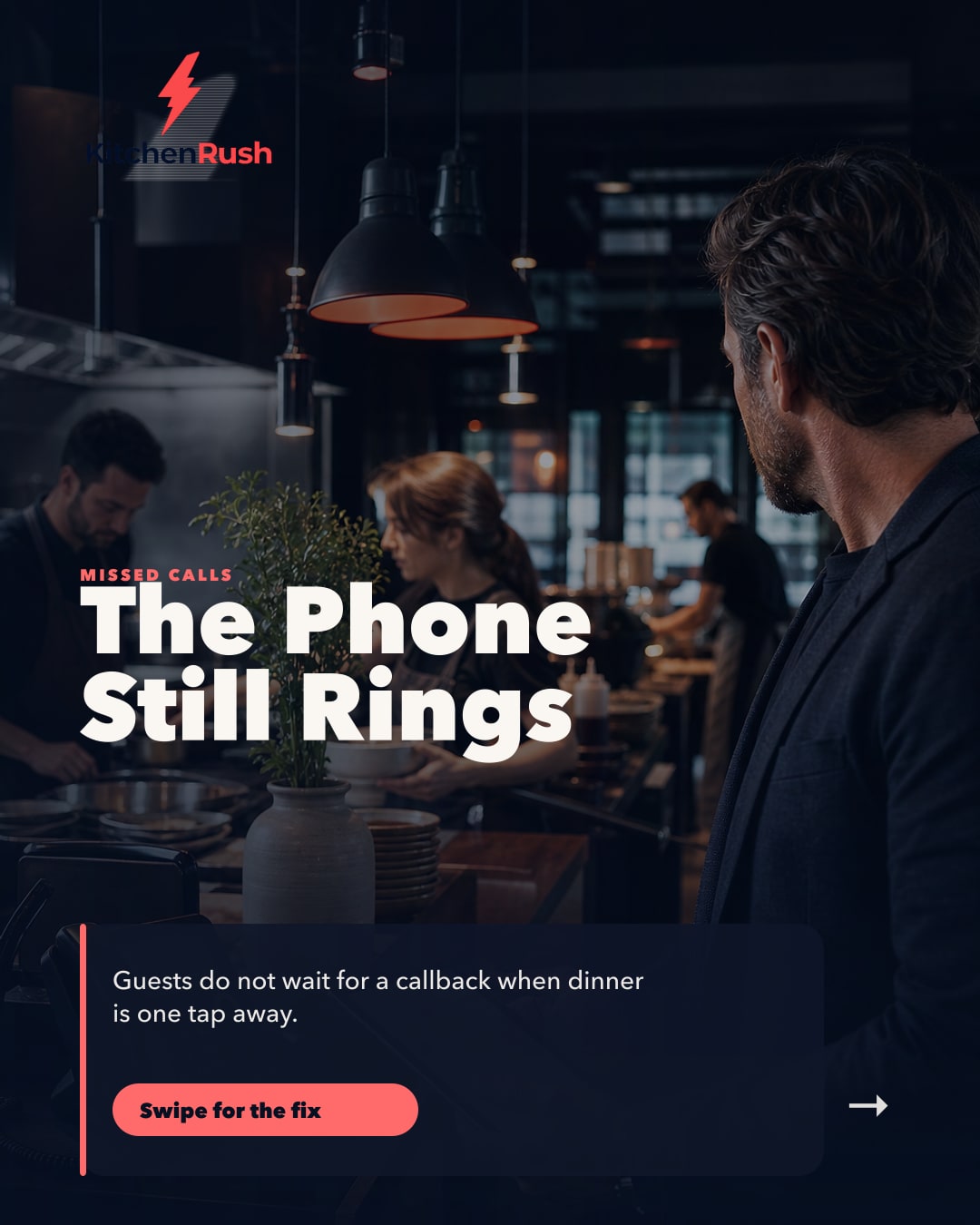
For independent restaurants, missed calls are not just a phone problem. They are a demand-capture problem: a guest is trying to place an order, confirm hours, book a table, ask about a wait, or move a group inquiry forward while staff are already stretched. The practical fix is not "answer every call by hand." It is a workflow that captures the intent, routes the next step, and keeps the guest moving before they call the next restaurant.
Restaurant technology coverage keeps coming back to the same pressure point. Restaurant Dive, summarizing National Restaurant Association 2026 research, found that 26% of operators are using AI-related tools and that marketing is one of the earliest use cases for both full-service and limited-service restaurants. The useful version for independents is not a futuristic robot. It is a more reliable front door.
Why does the phone still matter when guests order online?
Because phone calls happen at the moment of intent. Online ordering is excellent when the guest knows exactly what they want. Calls show up when the guest needs confidence: "Are you open?" "Can you handle ten people?" "Can I order for pickup?" "Is the special still available?" "Can you help with a last-minute office lunch?"
Those questions are also the questions that create higher-value orders. A diner who only needs a single item can tap through an app. A guest with a group, timing, dietary question, pickup confusion, or local event request often calls first.
The current social signal is blunt. In recent restaurant-owner conversations, operators described rush-hour phone coverage as a real bottleneck. That distinction matters: the lost sale is not always caused by kitchen capacity. It is often caused by attention capacity.
What should an independent restaurant track first?
Start with three numbers for seven days.
| Signal | Why it matters | What to do next |
|---|---|---|
| Missed calls by hour | Shows the actual rush-hour leak | Add coverage only where demand appears |
| Repeat callers | Separates noise from ready buyers | Call back or route the most common intent |
| Call topics | Reveals content gaps | Turn repeated questions into posts, GBP updates, and website answers |
You do not need a complex dashboard to begin. A simple call log can show whether the problem is lunch, dinner, weekend takeout, private events, or after-hours questions. The pattern is the product brief.
Why is "just call them back" not enough?
A callback is useful, but it is slow. When guests are deciding between nearby restaurants, the restaurant that answers the question first often wins the order. That does not mean every call needs a human conversation. It means every call needs a next step.
A modern missed-call workflow should be able to confirm hours, route pickup and delivery intent, capture reservation details, trigger a follow-up when a guest cannot be served immediately, and feed repeated questions back into Google Business Profile posts, FAQs, and social content.
Where KitchenRush fits
KitchenRush treats the phone, Google presence, social posts, offers, reviews, and customer messages as one operating system instead of six disconnected tasks. If the same question appears on phone calls three times in a week, it should become a website answer, a Google update, a short post, and a staff prompt. If missed calls spike every Friday at 6 p.m., the response should not be a guess. It should become a recurring coverage rule.
The goal is not to replace hospitality. The goal is to protect it. Staff should spend rush hour welcoming guests, packing orders, handling edge cases, and solving real service moments. Routine call intent should not steal the room.
A 20-minute call-capture setup
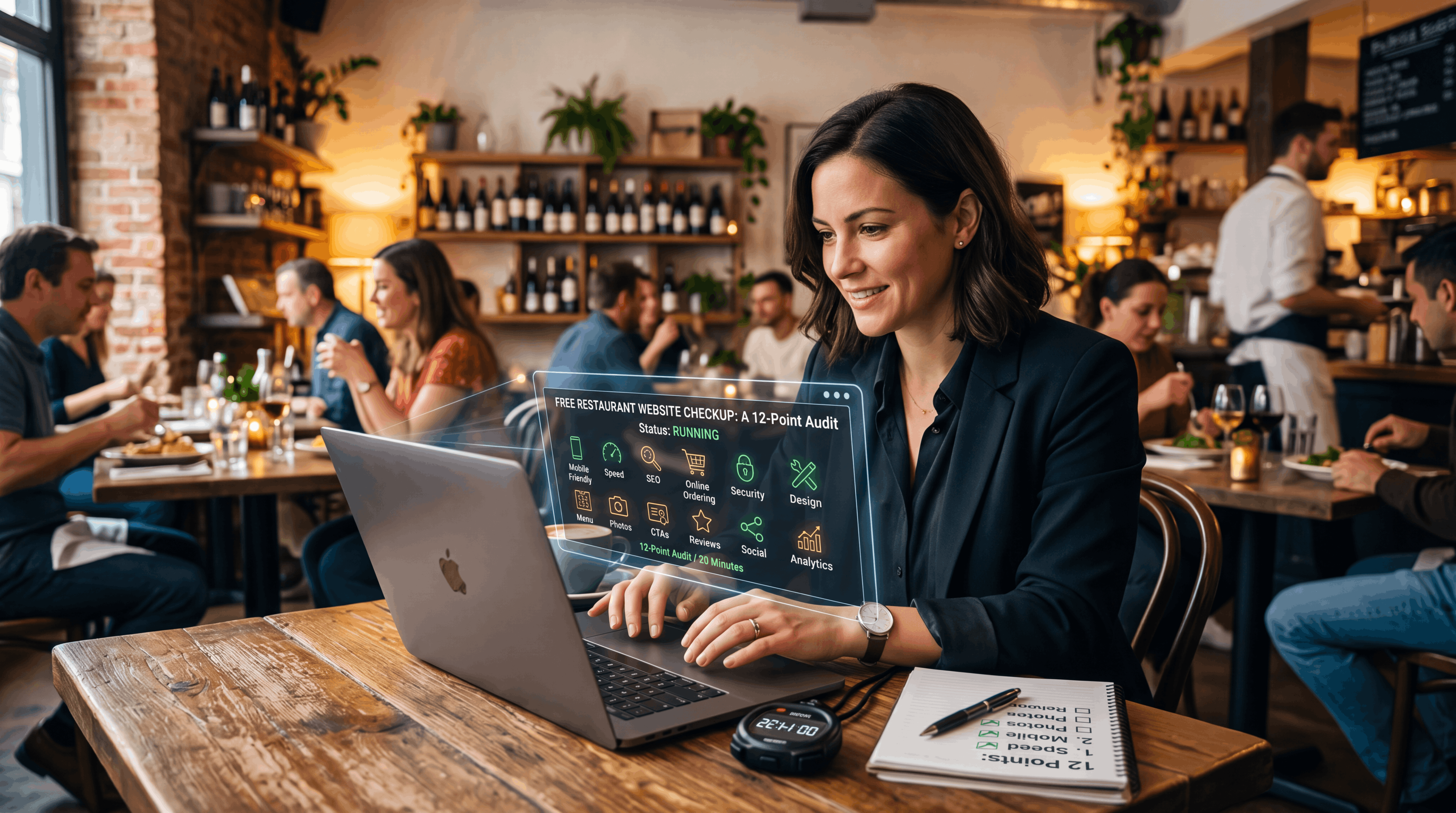
- Pull the missed-call log and sort by hour.
- Write down the five most common questions.
- Update the website, ordering link, and Google Business Profile with those answers.
- Create one short social post from the highest-frequency question.
- Add a follow-up for after-hours or rush-hour missed calls.
This is not a call-center strategy. It is an owner strategy. You are turning live guest intent into reusable visibility.
FAQ
Do restaurants still need phone orders in 2026?
Yes. Online ordering handles simple transactions, but phone calls still handle uncertainty: timing, groups, substitutions, reservations, and guests who want reassurance before ordering.
Should small restaurants use AI to answer every call?
No. The better starting point is to handle the repeatable layer: hours, ordering links, wait questions, group inquiry capture, and callbacks. Human staff should handle high-touch or unusual situations.
What is the first missed-call metric to track?
Track missed calls by hour. It shows whether the problem is a staffing rhythm, a marketing rhythm, an after-hours gap, or a specific daypart.
How can KitchenRush help with missed calls?
KitchenRush connects demand capture to the rest of the marketing workflow, so repeated call questions can become website content, Google updates, social posts, offers, and follow-up messages from one place.
CTA
Ready buyers should not disappear because the room got busy. KitchenRush helps independent restaurants capture demand, answer common questions, and turn every recurring guest signal into local visibility.
Visual version